Fuzheng (扶正) — the power that protects
It bolsters the patient's body (vital energy, jeonggi) and immunity, protecting the stamina and resilience needed to endure treatment.
Sandol Cancer Care ClinicIntegrative Cancer Care
Surgery, chemotherapy and radiation are powerful weapons against cancer. The Sandol Cancer Care Clinic does not replace them. We walk alongside standard treatment, helping you endure it better and go the distance.
※ Herbal medicine does not replace standard cancer treatment, and effects and outcomes vary by cancer type, stage and individual. This page presents research findings and does not guarantee any particular result.
The principles of cancer treatment in Korean medicine come down to two axes. These two forces do not compete with standard cancer treatment — they complement it. Herbal medicine acts as a companion that raises the efficacy of cancer treatment while reducing the side effects that arise along the way.
It bolsters the patient's body (vital energy, jeonggi) and immunity, protecting the stamina and resilience needed to endure treatment.
It targets the cancer itself directly, inhibiting cancer-cell growth or inducing cell death.
That is the goal of the Sandol Cancer Care Clinic.
We examine the four benefits described earlier through data on five cancers that are common among Koreans. All figures below are results reported or observed in studies; since many are observational (cohort) studies, it is accurate to read them as association rather than causation. Effects and outcomes vary by individual and stage.
In both non-small-cell and small-cell lung cancer, adding herbal medicine has been reported to help with quality of life, survival and protection against side effects.
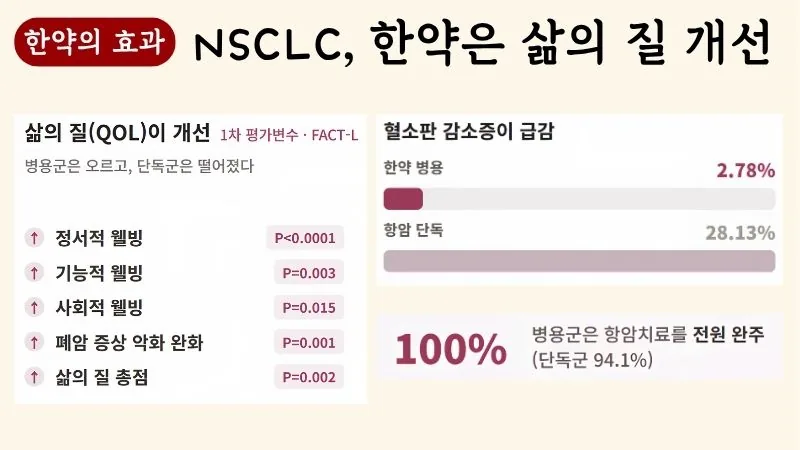
In a randomized controlled trial, adding herbal medicine markedly improved quality of life and produced fewer thrombocytopenia (low-platelet) side effects.Xiao et al. Medicine. 2021
Adding herbal medicine confirmed greater treatment efficacy, improved quality of life and protection against side effects.Support Care Cancer. 2020
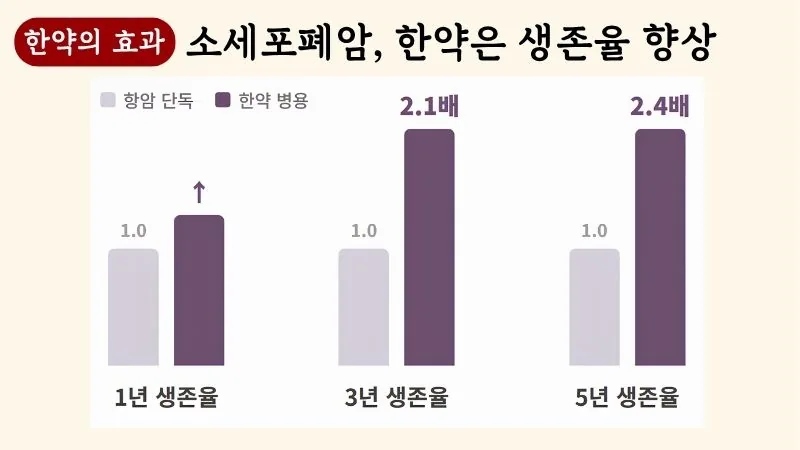
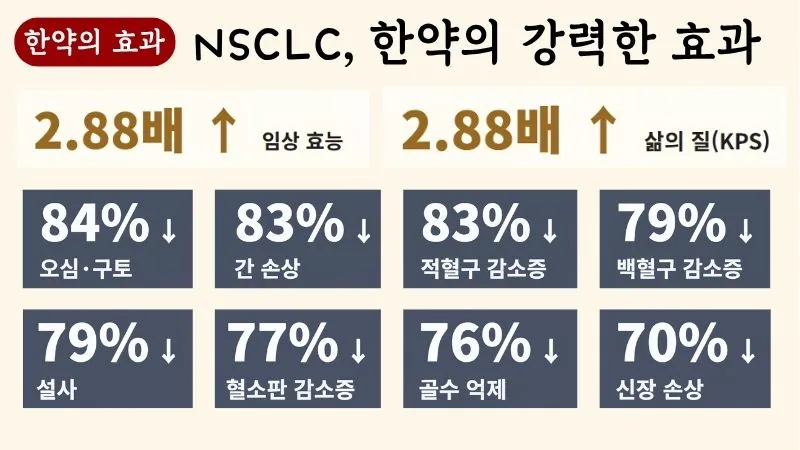
22 RCTs, 1,887 patients. Adding herbal medicine raised anticancer efficacy and performance status (KPS), increased 1-year, 3-year (2.1×) and 5-year survival by 2.4×, and reduced gastrointestinal side effects and myelosuppression.Shuntai et al. J Cancer Res Clin Oncol. 2020
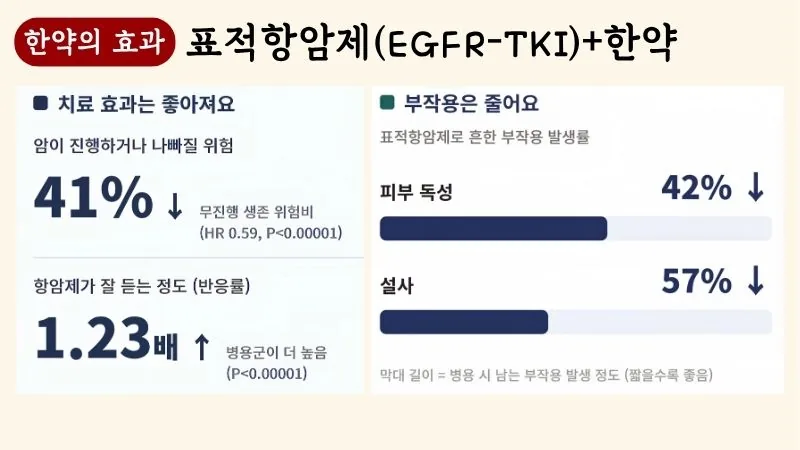
1,137 patients with advanced NSCLC and EGFR-sensitizing mutations. 41% reduction in progression risk (HR 0.59, P<0.00001), response rate 1.23×. The TKI side effects of skin toxicity and diarrhea fell 42% and 57%.Yan Lu et al. Front Pharmacol. 2021
Inducing multiple forms of cell death / suppressing drug resistance and restoring drug efficacy / blocking the seeds of metastasis and recurrence / switching the immune environment into a 'cancer-suppressing mode'. Xi et al. Mol Cancer. 2025
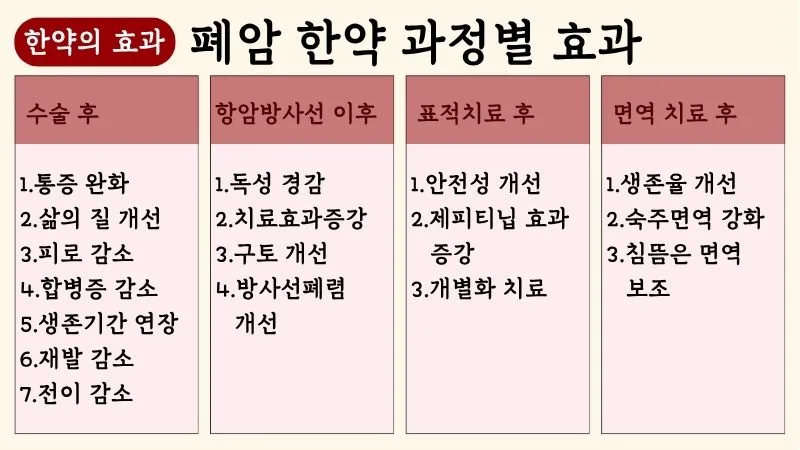
In a large cohort and a post-resection meta-analysis, herbal-medicine use was observed to be associated with lower mortality risk, less recurrence and improved survival.
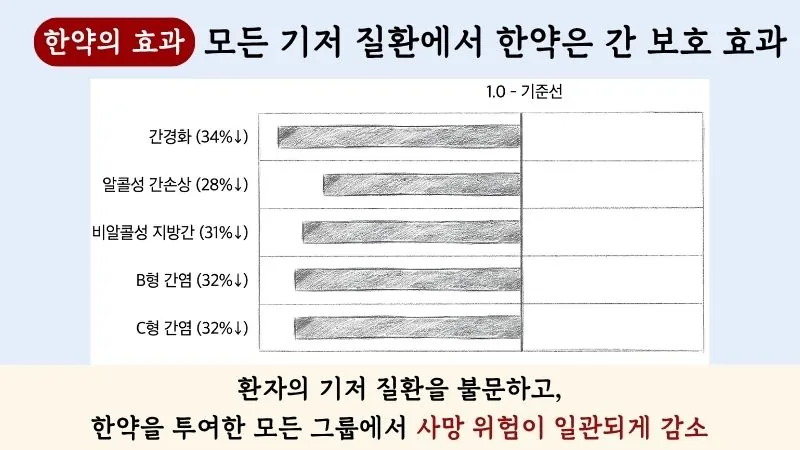
Compared with non-users, herbal-medicine users had a 36% lower mortality risk (HR 0.64, 95% CI 0.63–0.64). A liver-protective effect was observed across accompanying liver conditions including cirrhosis, alcoholic/non-alcoholic liver disease and hepatitis B and C.Liao et al. Liver Int. 2015
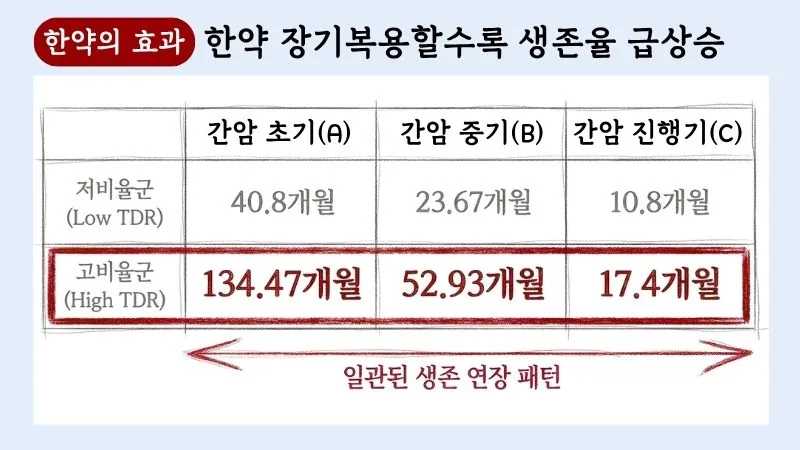
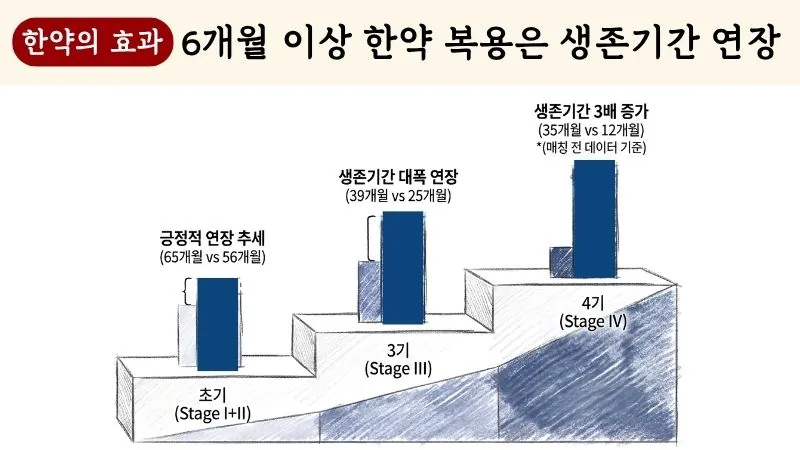
The more consistently patients took it, the longer they survived; the difference was especially large in early-stage liver cancer, where survival differed by more than threefold.Cheng et al. Heliyon. 2022
Taking herbal medicine long-term from the early (stage A) phase was associated with a 96% lower mortality risk and more than tripled survival (134.47 months [long-term herbal use] vs 40.8 months).Cheng et al. Heliyon. 2022
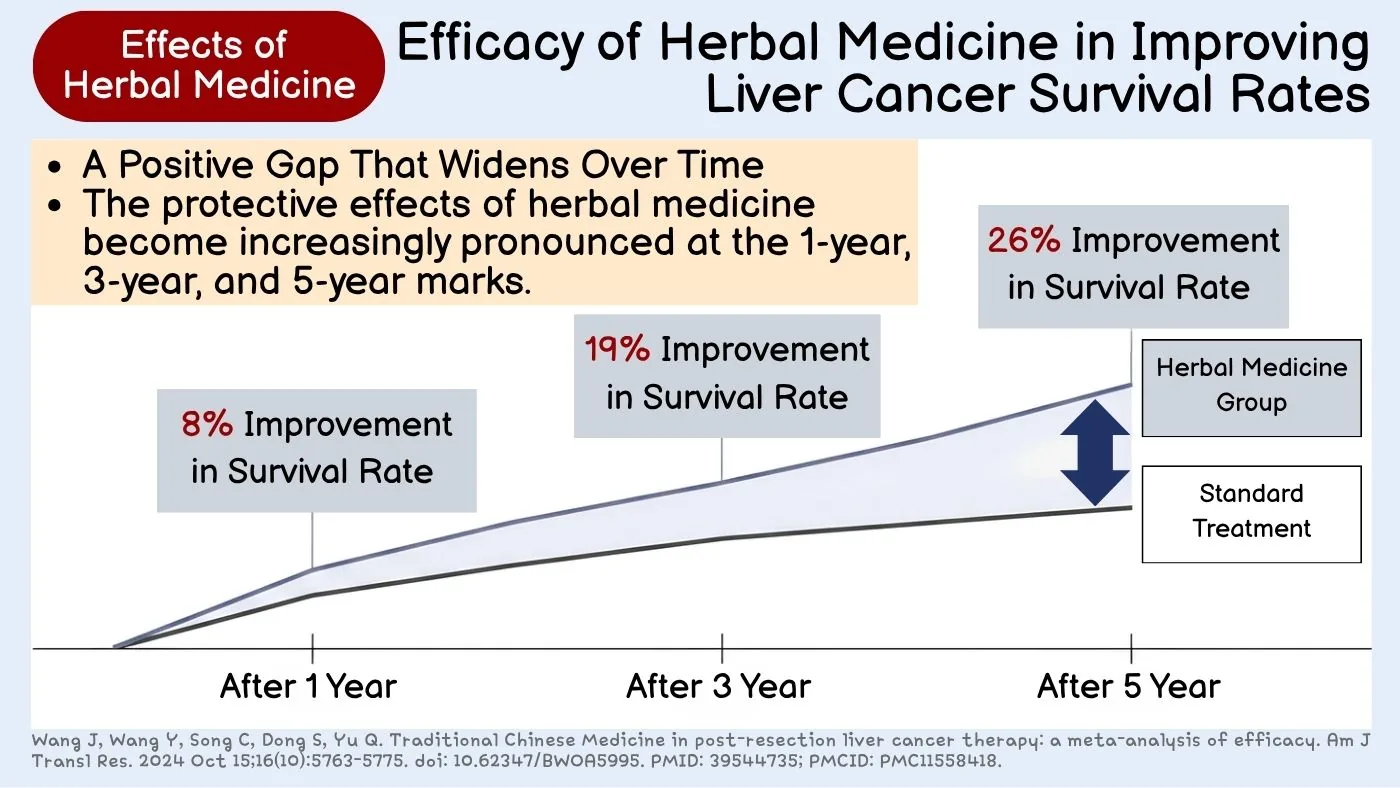
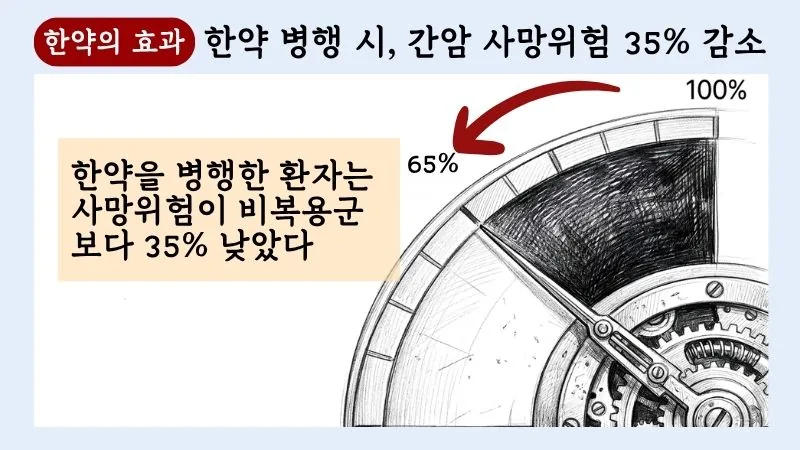
The standard-treatment + herbal-medicine group showed about 24% less recurrence and about 21% lower mortality, with survival improved by +8% at 1 year, +19% at 3 years and +26% at 5 years. The gap widened over time.Wang et al. Am J Transl Res. 2024
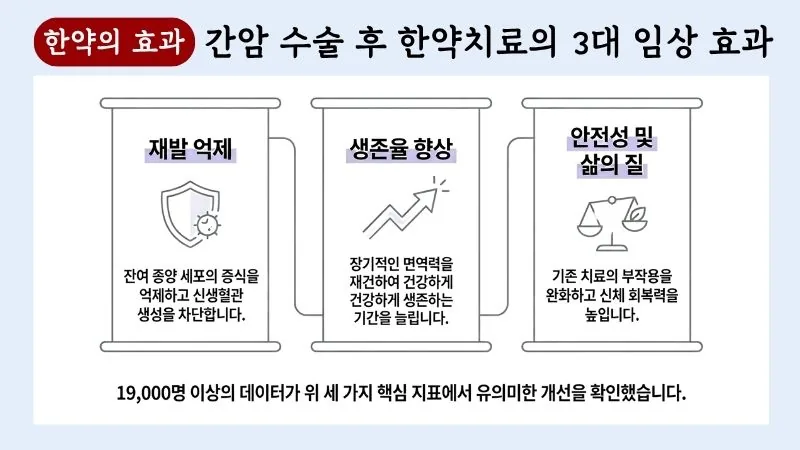
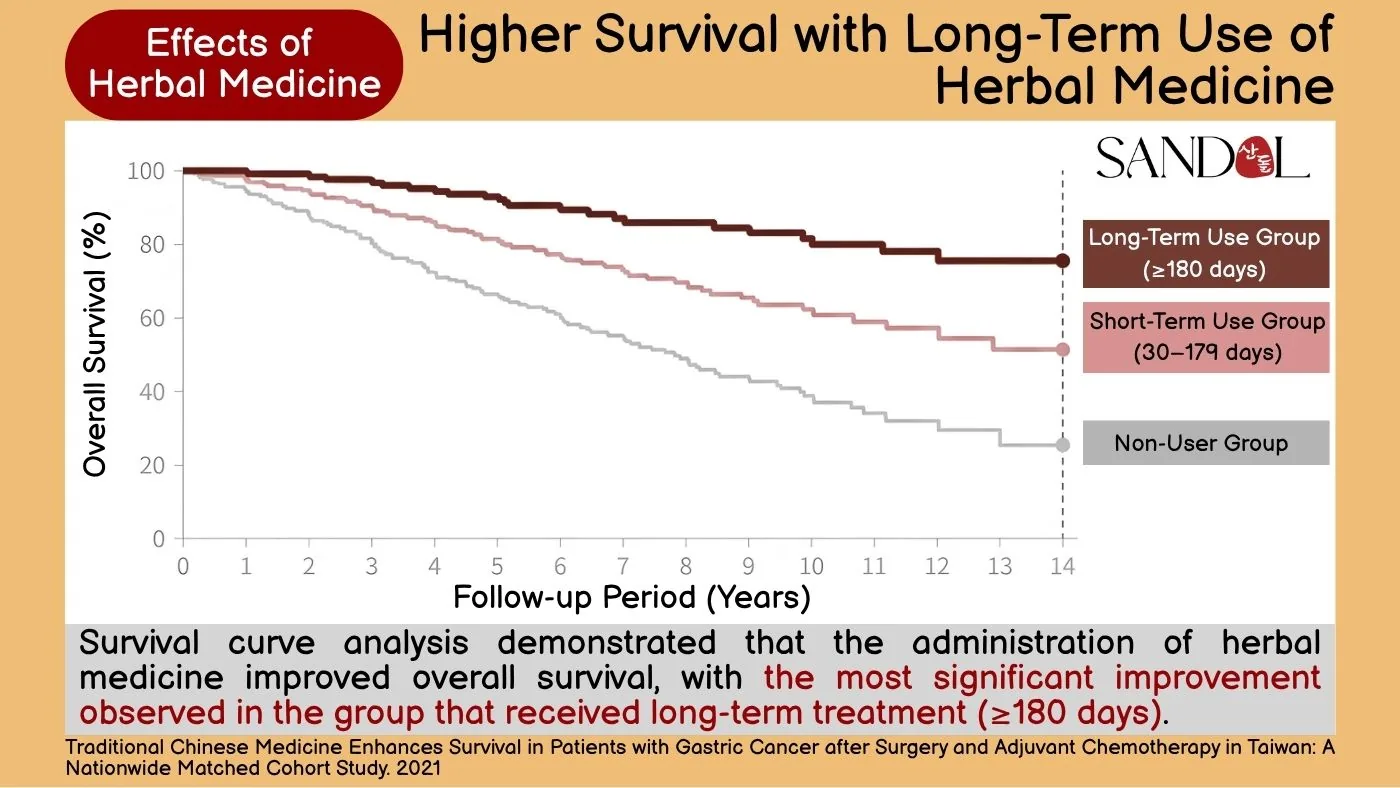
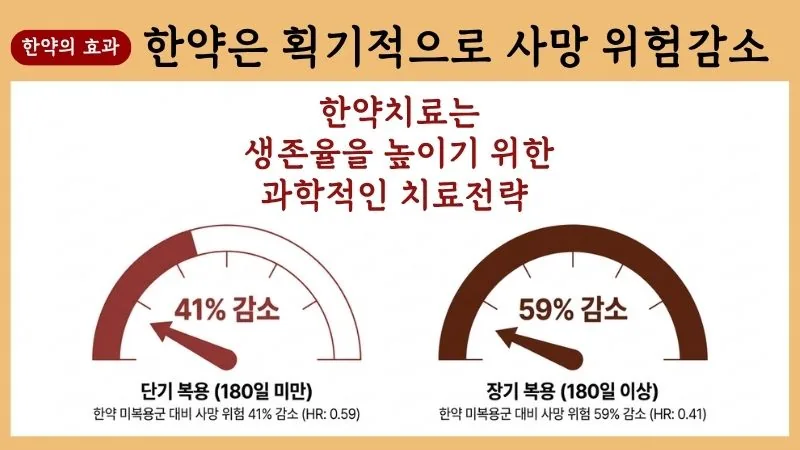
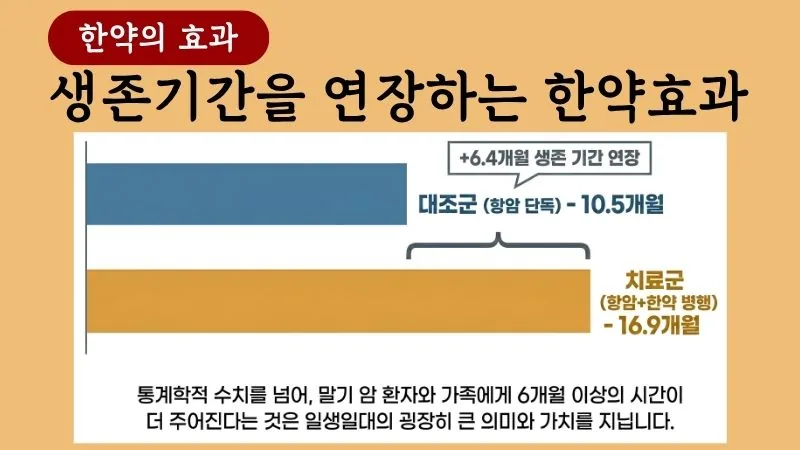
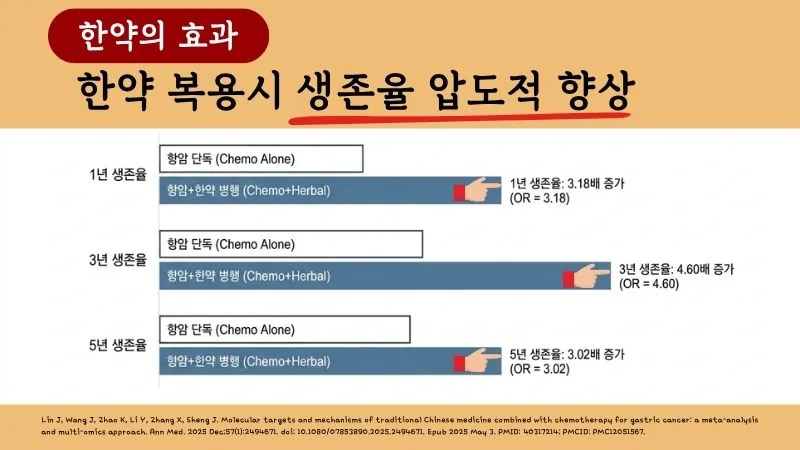
In patients who received gastric-cancer surgery and adjuvant chemotherapy, herbal-medicine use — especially long-term use — was observed to be positively associated with survival and quality of life.
Non-users died sooner and in greater numbers, whereas herbal-medicine users — and long-term users above all — had the best survival.Shih et al. Evid Based Complement Alternat Med. 2021
The herbal-medicine group had about 2.91× better overall survival (OR 2.91, 95% CI 2.70–3.12), consistent at 3.18× (1 year), 4.06× (3 years) and 3.02× (5 years). Quality of life improved about 4× (OR 4.00), with less anemia, nausea and vomiting and, notably, a 70% lower likelihood of liver-function impairment.Lin et al. Ann Med. 2025
Tumor response rate up 54% (RR 1.54), 2-year survival up 32%, 3-year survival up 42%, and quality of life (performance index) improved by an average of 6.84 points. Side effects such as leukopenia and liver injury fell significantly.Kim et al. Integr Cancer Ther. 2024
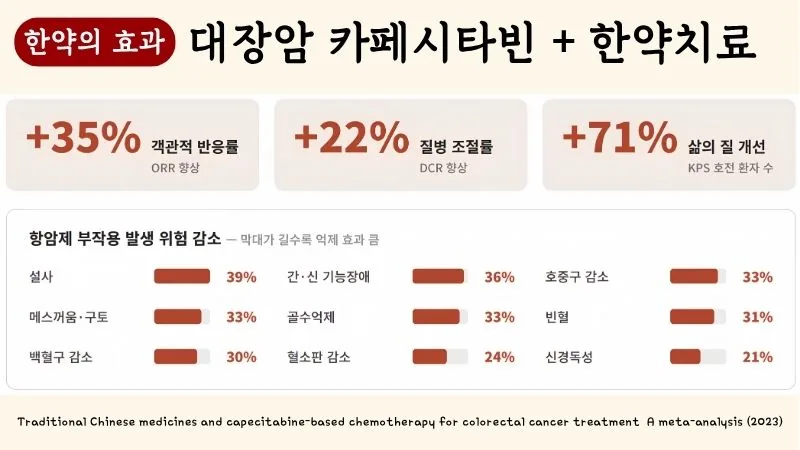
Objective response rate up 35% (RR 1.35), disease-control rate up 12%, and side effects such as myelosuppression, nausea, vomiting and neurotoxicity fell by roughly half.Tan et al. Front Pharmacol. 2022
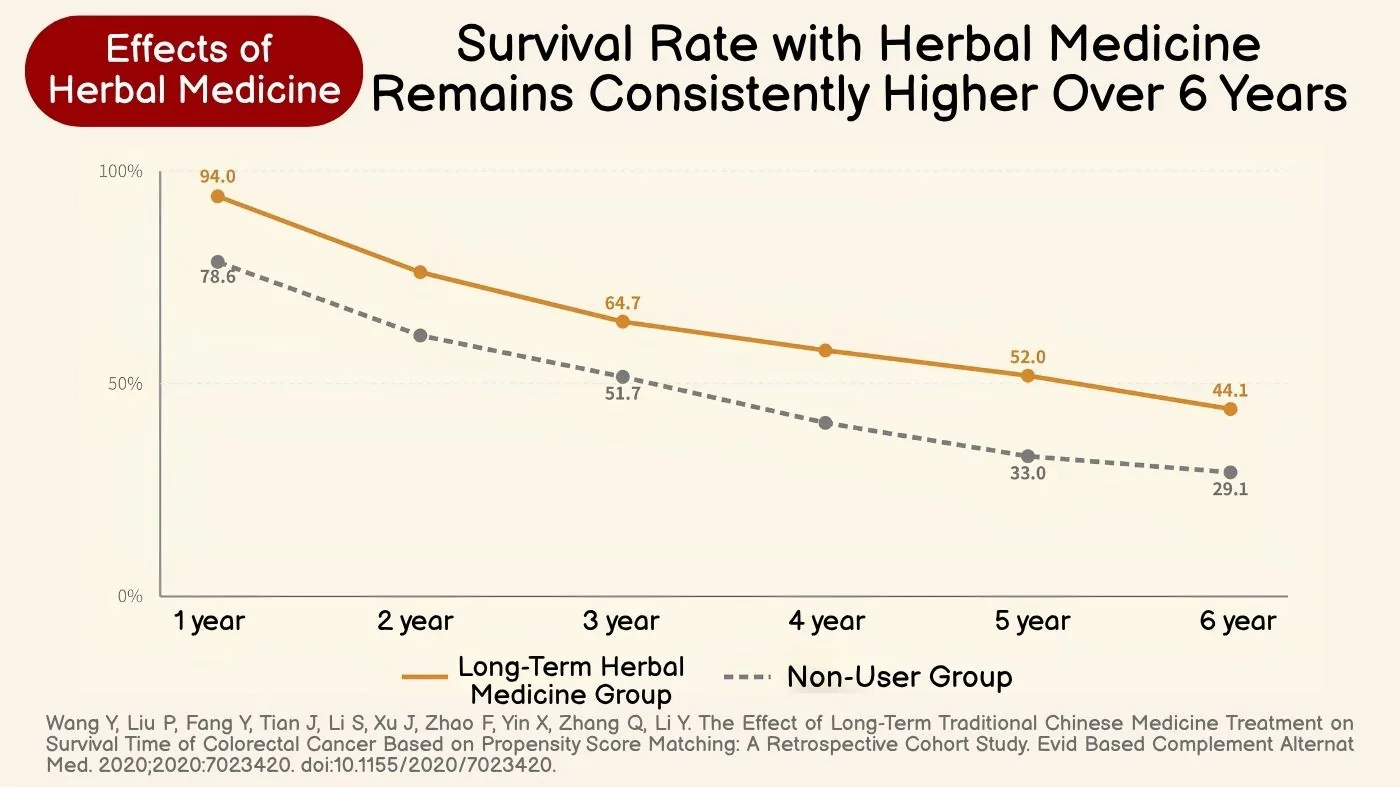
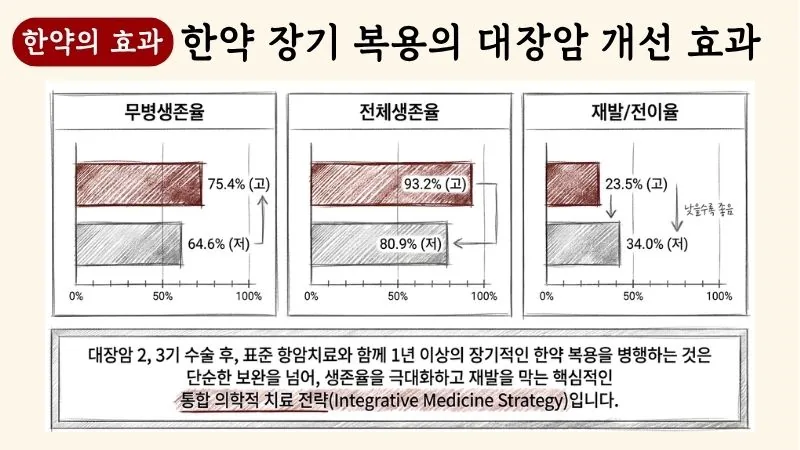
In a multicenter prospective observational study of stage II–III surgical patients, the high-exposure group that took herbal medicine for a year or more consistently outperformed the low-exposure group at 5 years. (Below: 5-year point, high vs low exposure)
High exposure 75.4% vs low exposure 64.6%
High exposure 93.2% vs low exposure 80.9%
High exposure 23.5% vs low exposure 34.0%
The longer the duration of use, the higher the disease-free and overall survival and the lower the recurrence and metastasis.Xu et al. J Natl Cancer Inst Monogr. 2017
Long-term use was favorable for survival across all stages, with the gap growing toward stages III–IV. In multivariate Cox analysis, herbal medicine was the factor that most reduced recurrence/metastasis risk (HR 0.349).Wang et al. Evid Based Complement Alternat Med. 2020
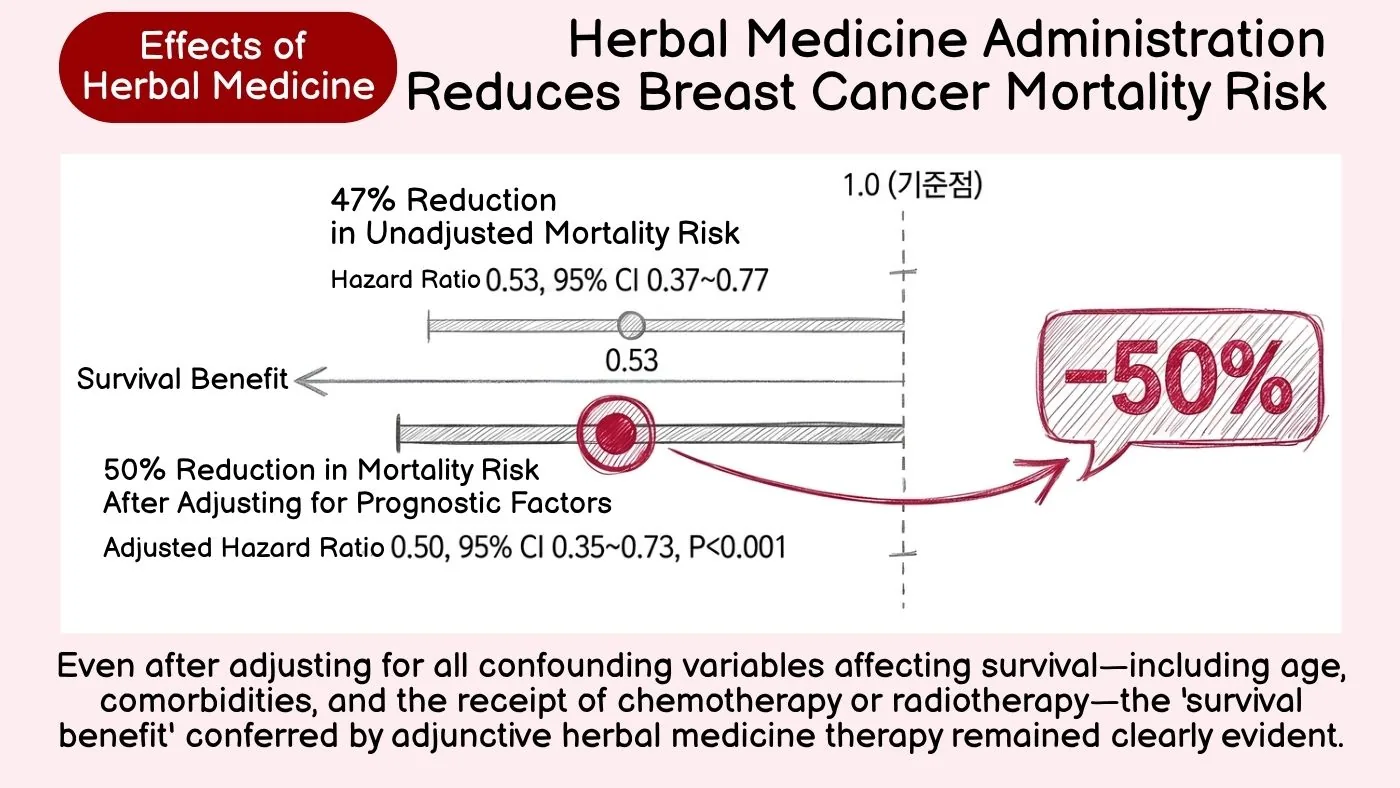
In large cohorts, herbal-medicine use was observed to be associated with a lower incidence of invasive breast cancer and with survival in advanced breast cancer, and that association was stronger with cumulative, long-term use.
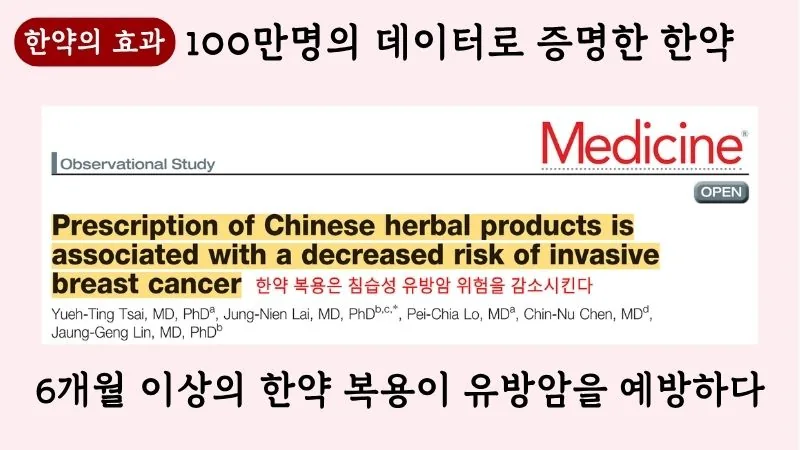
Invasive breast-cancer incidence was lower in the herbal-medicine group than in non-users (1.73) — CHP 0.85 / Samul-tang (Four Substances Decoction) family 0.63, per 10,000 person-years. The greater the cumulative dose, the stronger the preventive association — <300g 35%↓ / 300–1,800g 51%↓ / ≥1,800g 70%↓.Tsai et al. Medicine. 2017
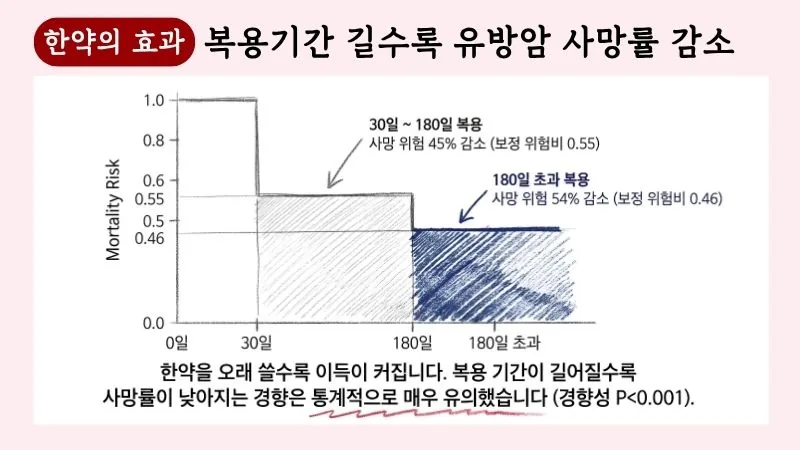
Adding herbal medicine was associated with about a 50% reduction in overall mortality. Short-term use within 180 days reduced it 45% vs a 54% reduction with long-term use beyond 180 days — greater with longer use.Yuan-Wen et al. Cancer. 2014
Using herbal medicine within the year before surgery was associated with, after surgery, 24% fewer strokes (OR 0.76) and 26% less ICU need (OR 0.74). Length of stay and medical costs were also lower.Chen et al. BMC Complement Med Ther. 2026
Patients who also took herbal medicine within 2 years of a breast-cancer diagnosis had an about 32% lower risk of death within 5 years than those who did not.Chan et al. J Chin Med Assoc. 2024
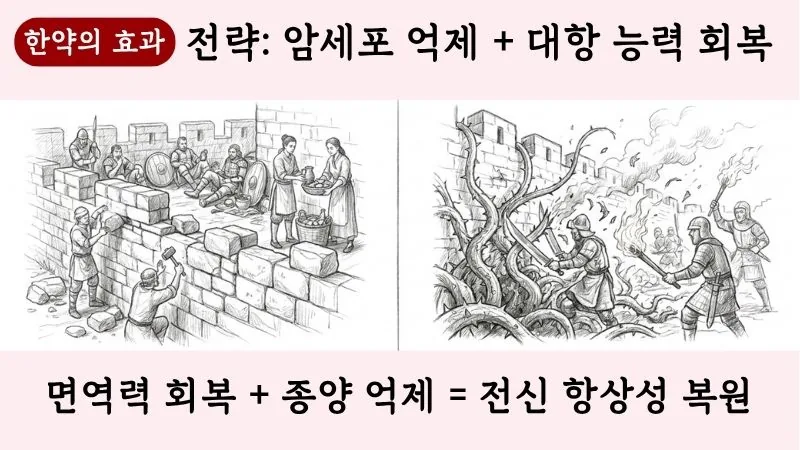
Recent research, including in the leading cancer journal Molecular Cancer (IF 33.9), summarizes the mechanisms by which the active compounds in herbal medicine target cancer cells as follows.
Flips the 'suicide switch' so cancer cells die on their own.
Halts relentless division and proliferation at specific phases (G1, S, G2/M).
Disrupts the cancer cell's internal cleanup system to starve or destroy it.
Overloads iron and reactive oxygen species, bursting cancer cells through lipid peroxidation.
Blocks the cancer cell's energy pathways (glycolysis, fatty-acid synthesis) to starve it.
Prevents spread to other organs and the formation of new blood vessels.
Blocks cancer cells' immune evasion and strengthens NK cells and T cells.
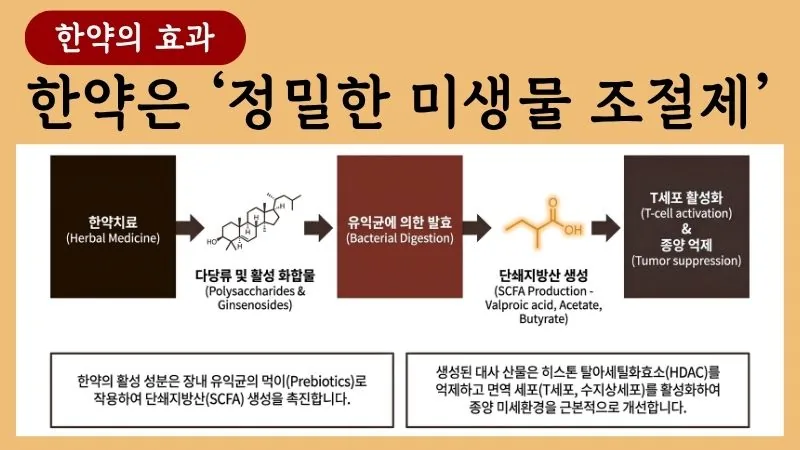
Herbal medicine has been reported to act selectively on cancer cells while affecting normal cells less; by increasing sensitivity to chemotherapy it boosts efficacy while reducing side effects such as diarrhea, vomiting and cardiac/renal toxicity, blocks cancer cells' immune evasion to complement immune-checkpoint inhibitors, and improves the gut-microbiome environment to optimize systemic immunity. Li et al. Mol Cancer. 2025 · Song et al. Mol Cancer. 2025
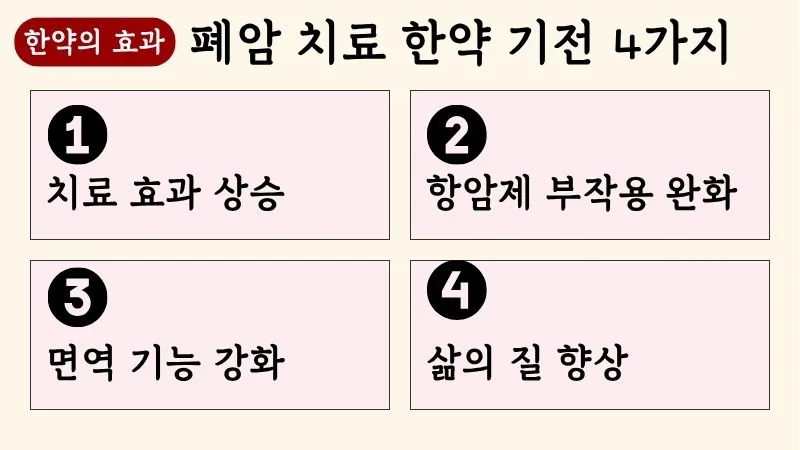
Across the major cancers common among Koreans, the results repeatedly observed when herbal medicine is added to standard treatment converge on the following four.
Across several cancers, the herbal-medicine group has been reported to have higher survival.
A trend toward lower mortality and lower post-surgery recurrence/metastasis risk was observed.
Nausea, vomiting, anemia, myelosuppression, liver injury and skin toxicity were reported to decrease.
A trend toward improved response by raising sensitivity to chemotherapy and delaying resistance was observed.
What studies across multiple cancers show in common is that 'the group taking herbal medicine longer and more consistently had better outcomes.' The same direction recurs in breast-cancer prevention (higher cumulative dose), advanced breast-cancer survival (54% lower mortality risk with long-term use), colorectal disease-free survival (a year or more of use) and liver- and gastric-cancer survival (long-term use best).
Because many of these are observational studies, it is accurate to understand this as a consistent association that long-term herbal-medicine use confers a beneficial effect. That large datasets across multiple cancers point in the same direction is highly meaningful.
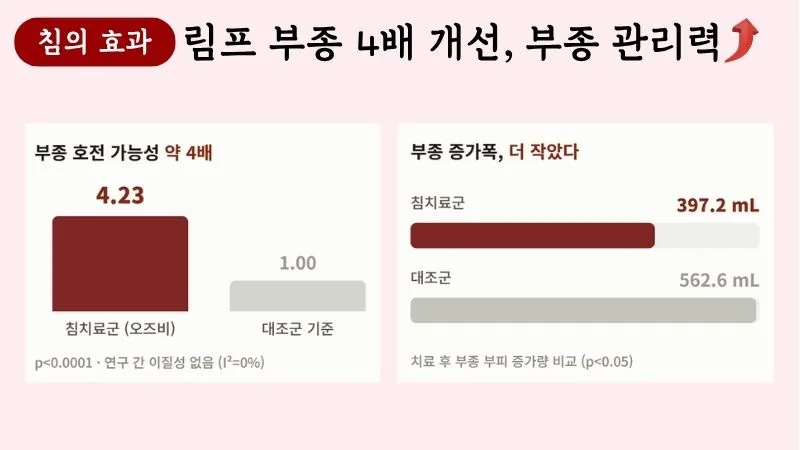
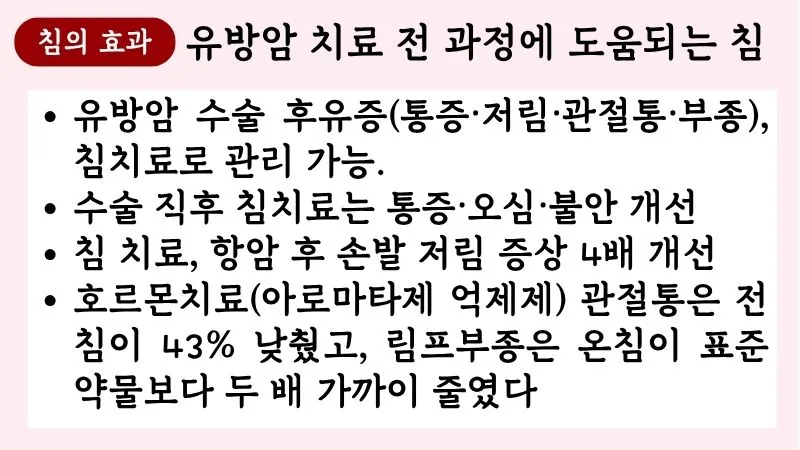
Beyond herbal medicine, acupuncture and moxibustion also play a role in protecting quality of life during cancer treatment.
Helps relieve cancer pain and reduce vomiting, insomnia, fatigue and neuropathy (numbness and tingling in the hands and feet) after chemotherapy and radiation.
Reduces cancer-related fatigue to improve quality of life.
Herbal medicine blocks the muscle-breakdown pathways (MuRF1, Atrogin-1) activated by chemotherapy, while electroacupuncture (jeonchim) stimulates muscle-synthesis signaling (Igf-1/Akt/mTOR) — a reported mechanism for preventing muscle-fiber atrophy.Huang et al. Antioxidants. 2022
The Sandol Cancer Care Clinic provides integrative care tailored to each phase, alongside patients receiving standard treatment.
We focus on relieving side effects (nausea, vomiting, fatigue, low white-blood-cell counts, etc.) and maintaining stamina.
We focus on restoring immunity and condition and managing recurrence/metastasis risk.
We help maintain quality of life and provide long-term care.
Do not stop the surgery, chemotherapy or radiation you are currently receiving on your own. Sandol Korean Medicine respects your oncology and surgical care and works alongside it to support your body. Please tell us about the medications you are taking and your treatment schedule at your visit.

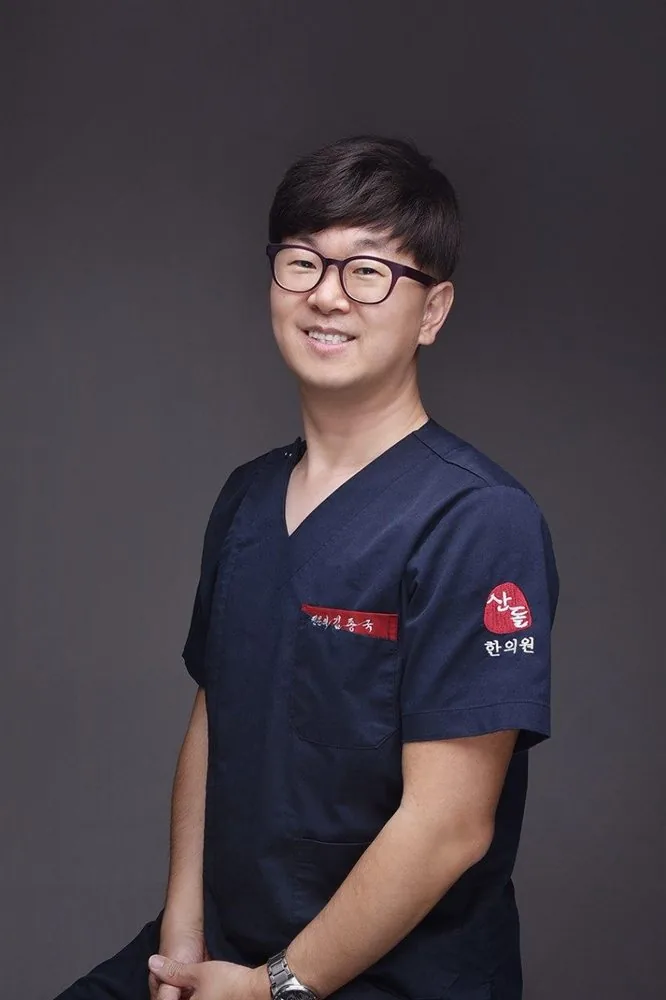
The Sandol Cancer Care Clinic will look after both your strength to endure treatment and your life beyond it.
※ This page is for general information only and does not replace individual diagnosis or treatment; herbal medicine does not replace standard cancer treatment.
PRACTICE HOURS UPDATE
Evening sessions end, and hours will be as follows.
Each doctor’s schedule