Sandol Korean Medicine — Acupotomy ClinicAcupotomy · 針刀
At the root of stubborn pain lies adhesion —
release it, and the body moves freely again
Acupotomy (鍼刀) directly releases adhesions to relieve pain, and becomes the key that unlocks the effect of other treatments. We treat with fan-shaped and conical release techniques — reported in the academic literature and listed in the textbook.
Weekdays 9:30–21:30 · Sat/Holidays 9:30–17:00 · 20 inpatient beds
Needle (針) and blade (刀) as one —
the most precise minimally invasive microsurgery for adhesion
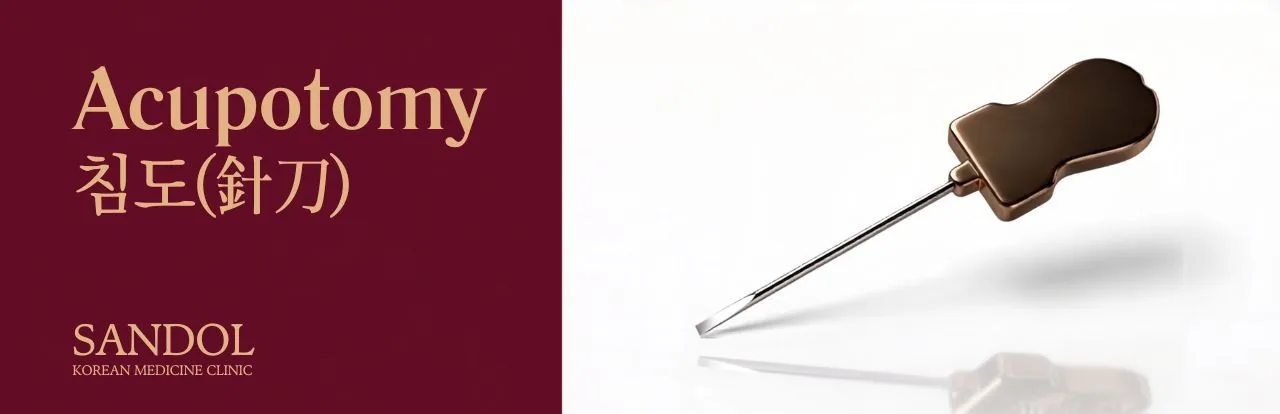
Acupotomy uses an instrument thicker than an ordinary needle, with a flat, blade-like (刀) tip. It enters the body as gently as a needle, yet releases adhesions and scar directly like a blade. The wound is smaller and recovery faster than open surgery, and the goal is to return stiffened tissue to free movement.
Why adhesion is the problem. When injury, overuse or poor posture repeat, adhesions and scar form around muscle, tendon, fascia and nerve. Adhered tissue can no longer glide properly, and it obstructs the surrounding blood flow and nerve signaling, producing pain and loss of function.
What acupotomy does. Acupotomy releases this adhesion at the precise point, restoring the tissue's original movement and circulation. The recovered tissue moves freely even during activity, so pain eases and function returns.
Standard release techniques
01Longitudinal release
Releasing along the grain of the tissue to restore nerve and vascular flow.
02Transverse release
A technique that releases perpendicular to the tissue.
03Incisional release
Precisely incising hardened scar and contracture to restore tissue tension and mobility.
A mechanical solution, not a chemical one —
release the adhesion, and the pain releases too
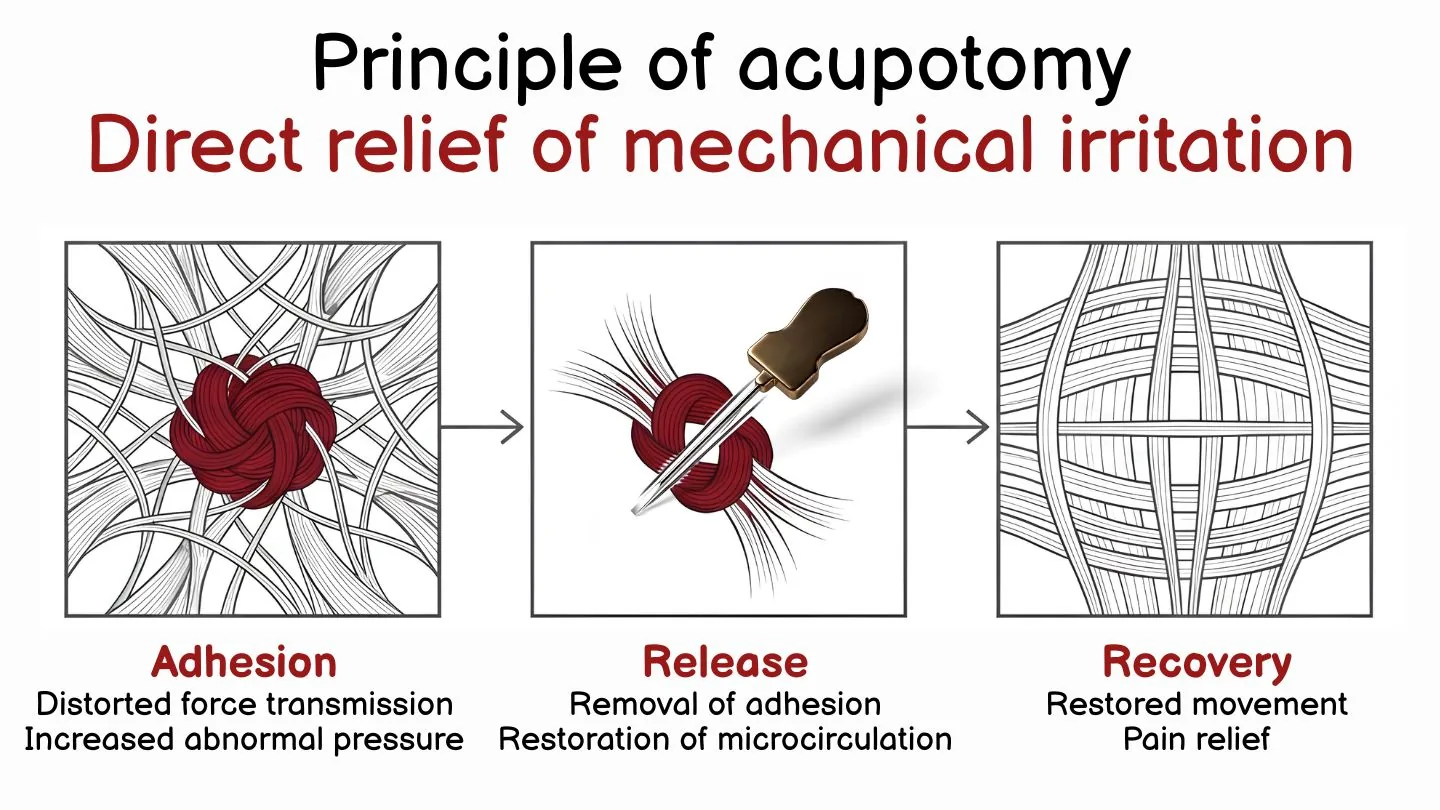
By removing the adhered tissue, acupotomy immediately lowers the abnormal pressure at the lesion; as the tissue regains its original movement and microcirculation, the pain finally disappears.
The key to results is the ‘precise release location’
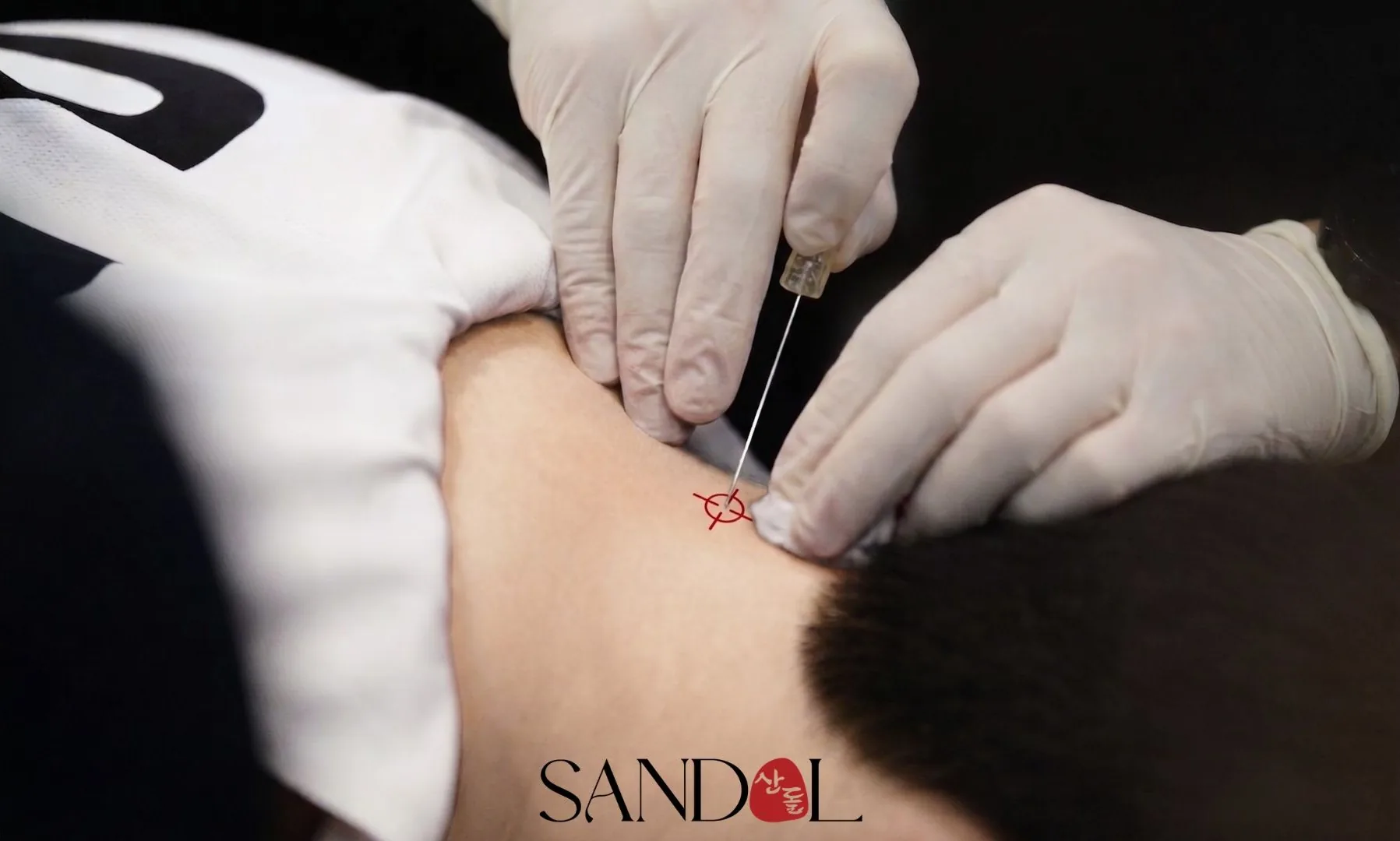 One point, aimed at the adhesion
What makes the difference in acupotomy is the confirmation of the target point and the manner of the procedure. Finding the exact location of the adhesion through palpation and physical examination is half of the treatment; the way the procedure is performed is the other half.
Sandol Korean Medicine pinpoints the adhesion by combining the cause of onset, the pain pattern, physical examination and imaging such as MRI, X-ray and ultrasound, and then performs acupotomy with release techniques developed in-house. Cases in which pain that had not responded to prior treatment began to improve after acupotomy at the precise point have been reported in an international journal.
Pain entangled with adhesion, approached along three lines
Acupotomy applies to a range of musculoskeletal problems in which adhesion lies behind the pain — from the spine to the limb joints and the peripheral nerves. Below are the representative indications acupotomy medicine addresses, organized along three lines.
Conditions arising from adhesion around the spine
Adhesion in the clavicle, shoulder, arm, knee and leg
Relieving nerve compression caused by adhesion
Indications and treatment methods vary with each individual; an accurate diagnosis and whether the treatment applies are determined through consultation.
Beyond the straight line, into three dimensions —
the two release techniques Sandol devised
While conventional acupotomy releases mainly along a straight line, Sandol Korean Medicine devised two release techniques to address broad, three-dimensional adhesions and applies them in clinical practice. Each technique has been published in the academic literature and listed in the 2026 revised Acupuncture & Moxibustion Medicine (鍼灸醫學) textbook.
Fan-shaped release (扇形)
Fan-shaped release
It fans out to release a broad surface. From a single entry point, the direction is shifted like a fan to release a widely spread adhesion plane from multiple angles.
In a case of dyspnea and chest tightness originating in the thoracic spine, 20–30 fan-shaped releases per site combined with breathing correction were reported to markedly improve the symptom measures.
View the published paper (2025)Conical release (錐形)
Conical release
It builds depth like a cone to release in three dimensions. Using a single entry point as the apex, the angle and depth are varied in a conical form to release thick, deep adhesions three-dimensionally.
In a case of buttock and leg pain originating in the sacroiliac joint and deep gluteal muscles, the pain was reported to disappear after a conical release through a single entry point.
View the published paper (2024)Release · Restore · Integrate
As a standalone treatment
By releasing adhesion and scar at the precise point, it reduces pain in itself and restores movement to tissue that had stiffened.
Restoring the path of force transmission
It reconnects the tension chain of the fascia that adhesion had severed, so the body once again transmits force in full.
The key to integrative care
As a result, it helps TMJ balance medicine, Chuna and thread embedding — previously unresponsive — reach the goals they were aiming for.
A clinical case where acupotomy became the turning point
A case of acute cervical radiculopathy with severe radiating arm pain — change in pain score (NRS)
Even the same therapy yields different results when the order and conditions differ. In this case, only after acupotomy first released the adhesion did the other therapies — previously unresponsive — begin to take effect. Treatment outcomes may vary from person to person.
Integrating therapies that each play a different role
From clinic to paper, from paper to textbook
Sandol's acupotomy practice has been published in domestic and international journals, and two of its techniques are listed in the 2026 revised Acupuncture & Moxibustion Medicine textbook. Representative papers are shown below.
Acupotomy combined with Korean medicine for sacroiliac pain unresponsive to conventional therapy: a case report
Choe G, Hwang JH. Acupotomy combined with Korean medicine treatment in a patient with acute sacroiliac pain unresponsive to conventional therapy: A case report. EXPLORE (NY). 2024;20(4):102999. doi.org/10.1016/j.explore.2024.04.003
Conical release for buttock and leg pain originating in the sacroiliac joint and deep gluteal muscles: a case report
Lee CH, Lim JT, Choe G, Jin H. Korean Journal of Acupuncture, 2024;41(4):163-170. doi.org/10.14406/acu.2024.024 · Technique listed in the 2026 revised textbook
Fan-shaped release for thoracic-origin dyspnea and chest tightness: a case report
Park JW, Lim JT, Choe G, Jin H. Korean Journal of Acupuncture, 2025;42(1):32-38. doi.org/10.14406/acu.2024.025a · Technique listed in the 2026 revised textbook
Acupotomy-centered Korean medicine for acute cervical radiculopathy: a case report
Kim TH, Park DS, Lim JT, Choe G. Korean Journal of Acupuncture, 2024;41(2):51-57. doi.org/10.14406/acu.2024.005
※ The papers above are observational reports of individual cases and do not guarantee the same outcome for every patient.
The people who create the techniques — and teach them
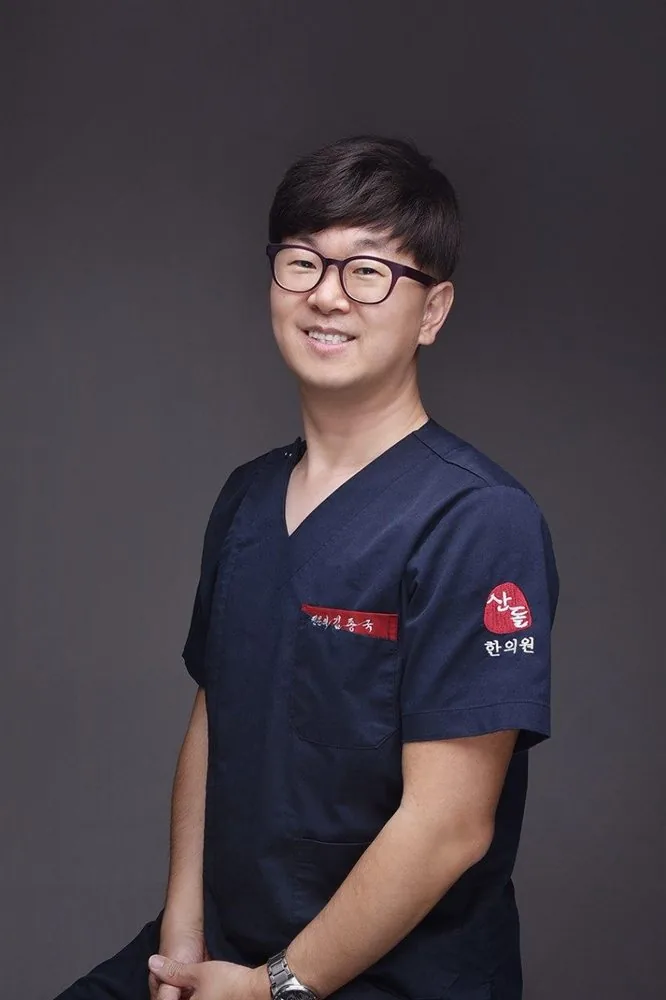
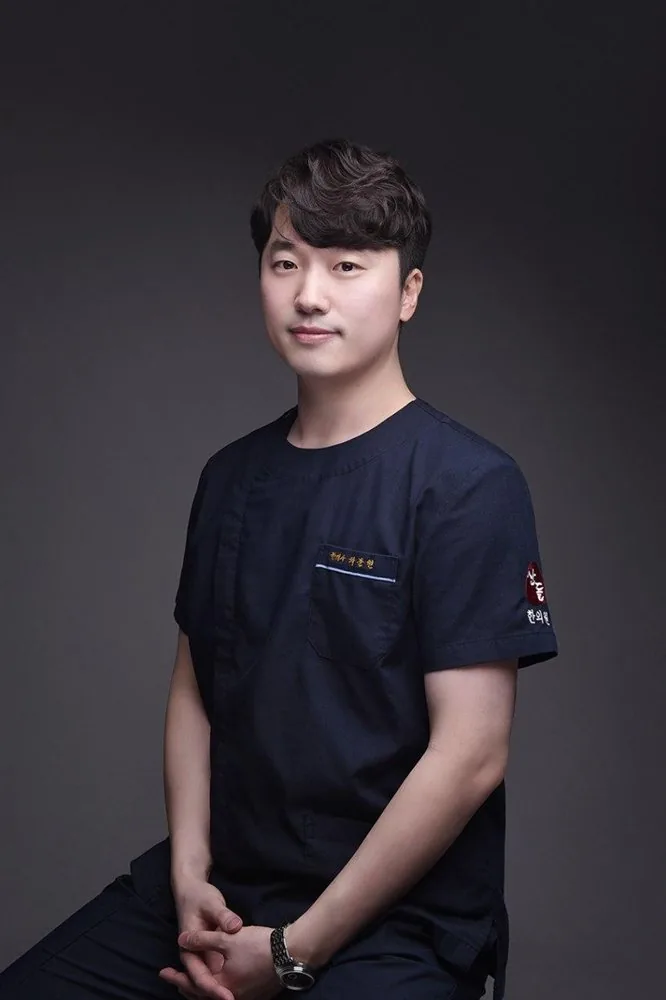
Acupotomy medicine team
Directors of the acupotomy specialist course · developers of techniques listed in the textbook
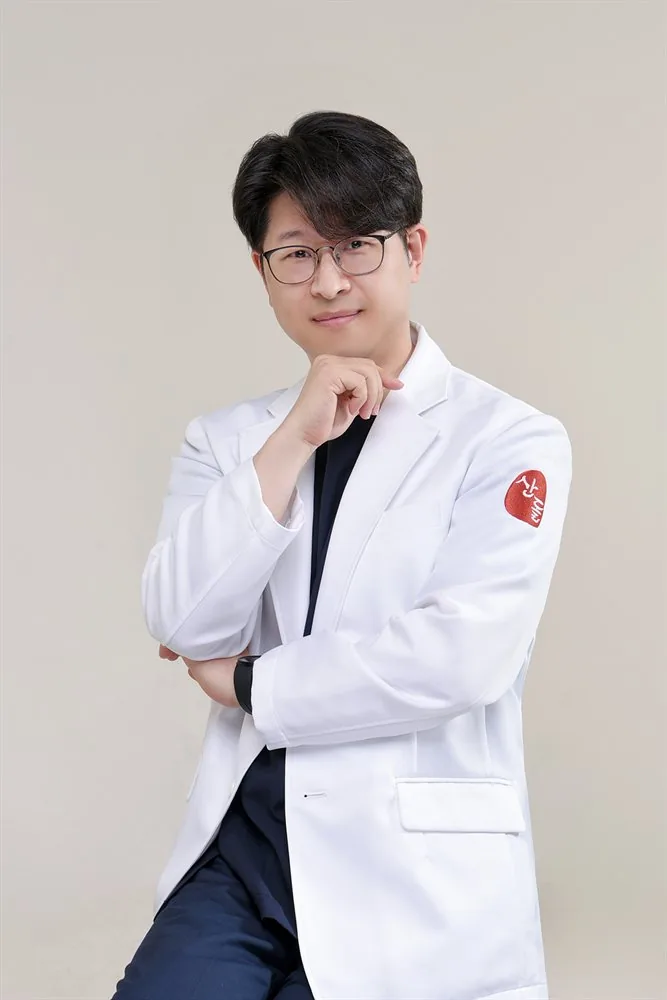

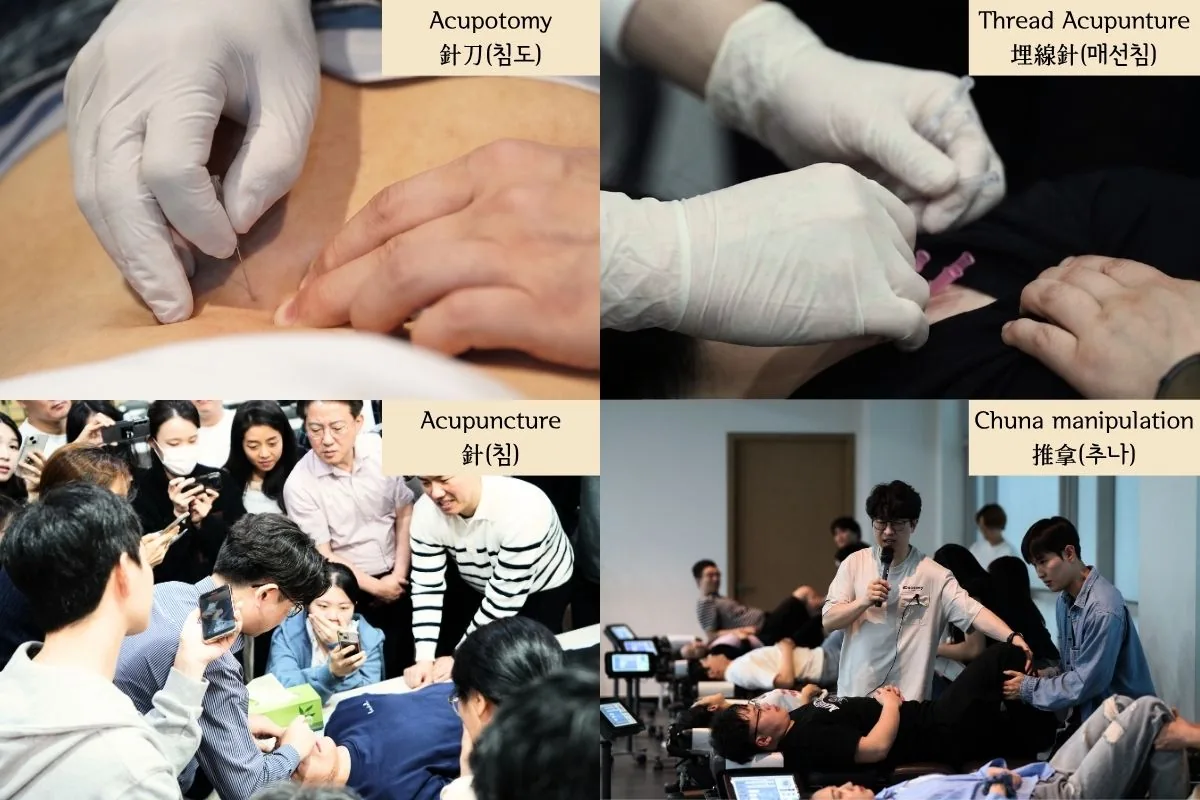
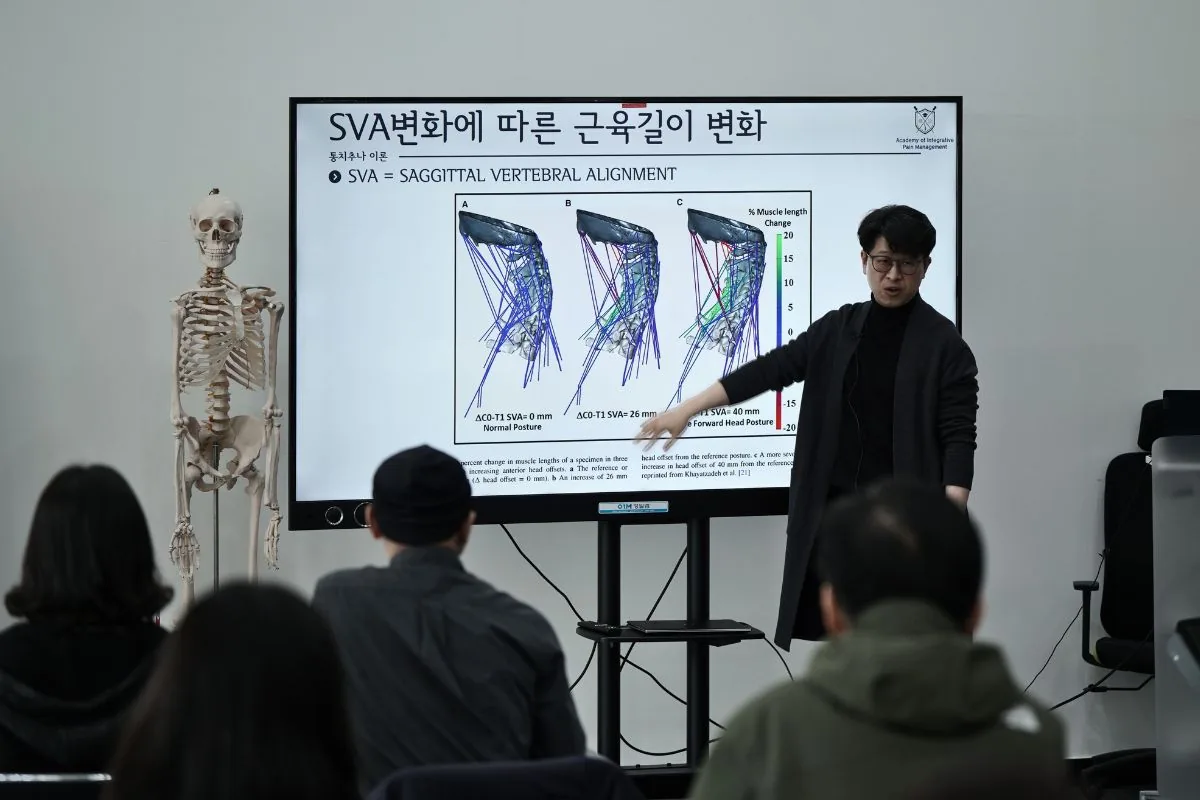
Clinicians who teach · acupotomy training in the field
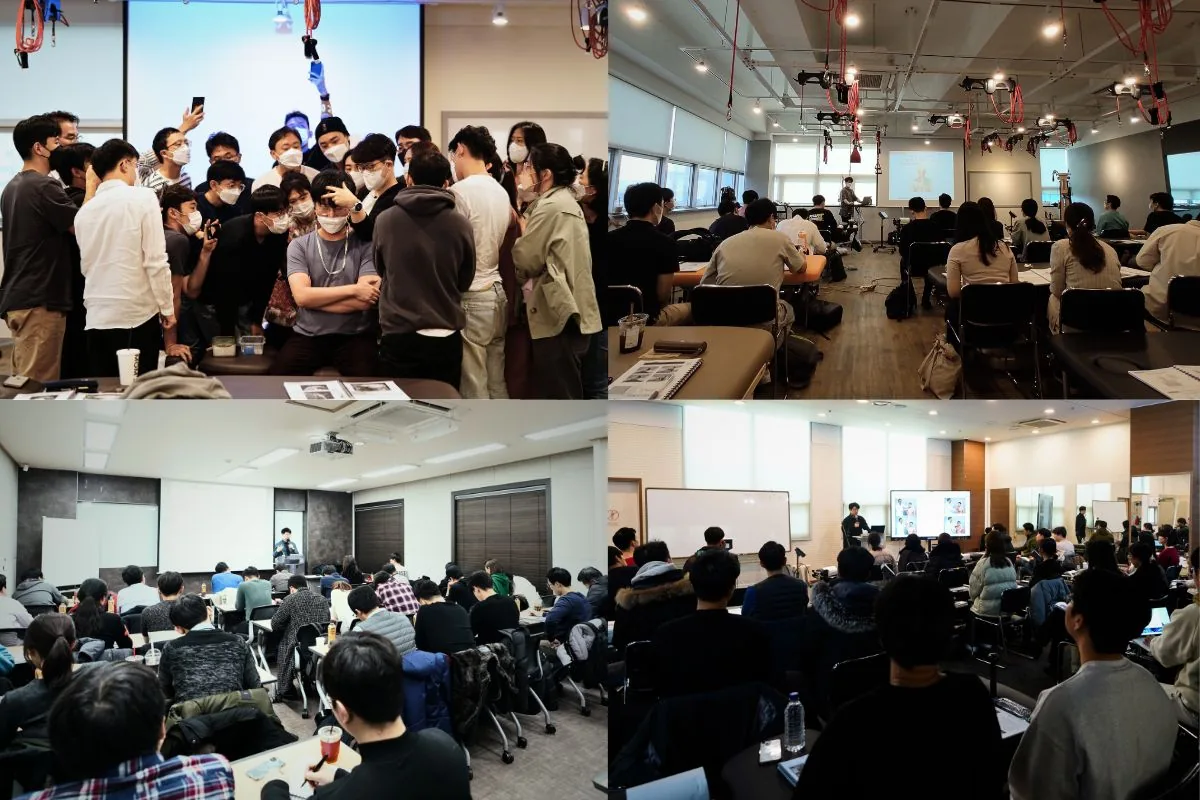
The acupotomy release techniques Sandol devised do not stop at papers and textbooks; they are taught to a wide range of medical professionals at associations, universities, academic societies and hospitals.
Frequently asked questions
Q. How is acupotomy different from ordinary acupuncture? +
Q. By what principle does acupotomy reduce pain? +
Q. I've been to several places but no one found the cause. Can acupotomy help? +
Q. Does acupotomy hurt a lot? +
Q. Can I receive it together with other treatments? +
Q. What examinations are done before the procedure? +
Q. How many sessions are needed? +
Q. Is there anything to be careful about after the procedure? +
Q. When can I expect to feel the effect? +
Release stubborn pain with acupotomy adhesion release
Clinic information
and we'll email you about your reservation.
※ The clinical content on this page includes observational reports of individual cases and does not guarantee the same outcome for every patient. Treatment effects and responses may vary with each person's condition, and an accurate diagnosis and treatment plan are determined through consultation.